By Steve Roache
November 11, 2026
Cooler evenings are a reminder that your heating system will soon be working harder. Fall is the ideal time to check for comfort problems, arrange professional maintenance, and address concerns before the first cold spell. Whether your home uses a furnace or a heat pump, a little planning can make the transition into heating season less stressful. This checklist focuses on what homeowners should notice, discuss, and schedule, while leaving technical service to qualified professionals.
According to Workyard, just 30% of homeowners arrange preventive HVAC maintenance. That leaves many households entering winter without a recent professional assessment. You do not need to understand every component to prepare effectively. Start with these five areas and bring any concerns to your service appointment. These notes can also make future service conversations more productive.
Review Your Home's Heating Performance
Notice Uneven Room Temperatures
Walk through your home on a cool morning and notice whether some rooms feel significantly warmer than others. Persistent differences can point to airflow restrictions, insulation gaps, or equipment concerns. Tell your technician which rooms are affected and whether the problem changes throughout the day.
Listen for Unfamiliar Operating Sounds
Rattling, scraping, or repeated clicking deserves attention, especially when the sound is new. Some startup noises are normal, but a change in volume or frequency can indicate a developing issue. Describe when it occurs rather than attempting to open or adjust equipment yourself.
Watch for Longer Heating Cycles
If your system runs much longer than it did last fall, mention the change during your appointment. Outdoor temperatures and thermostat settings influence runtime, but unusually long cycles may also suggest reduced efficiency. A heat pump can operate for extended periods normally, so context matters. Ask whether the runtime you are seeing is typical for your particular model and the current outdoor conditions.
Compare Comfort With Thermostat Settings
Check whether the displayed temperature matches how your living spaces feel. A thermostat that seems unresponsive or frequently loses its settings may need evaluation. Note any unusual behavior, including frequent switching between heating and cooling, so the technician has specific symptoms to investigate.
Check Your Indoor Airflow Conditions
Identify Blocked Supply Vents
Furniture, rugs, and stored items can obstruct supply registers and make rooms uncomfortable. Keep accessible vents clear without removing covers or reaching into ductwork. If airflow still feels weak after obvious obstructions are addressed, ask a professional to investigate rather than guessing at the cause.
Notice Dust Around Registers
Visible dust buildup does not automatically mean your ducts require cleaning, but it is worth mentioning alongside allergy complaints or airflow changes. A technician can assess whether filtration, housekeeping conditions, or a mechanical problem deserves attention. Avoid assuming every dusty register signals a serious issue.
Review Filter Replacement Timing
Filters have different replacement intervals depending on their design, household conditions, and equipment requirements. Check your maintenance records or ask your service provider which schedule applies. A neglected filter can restrict airflow, affecting a furnace or heat pump and making temperature control less consistent.
Discuss Persistent Indoor Odors
A brief dusty smell at the beginning of heating season can occur, but persistent burning odors warrant prompt attention. If you smell gas, leave the building and contact the gas utility or emergency services from outside. Never ignore a strong odor while waiting for routine maintenance.
Prepare Your Outdoor Equipment Area
Observe Nearby Leaves and Debris
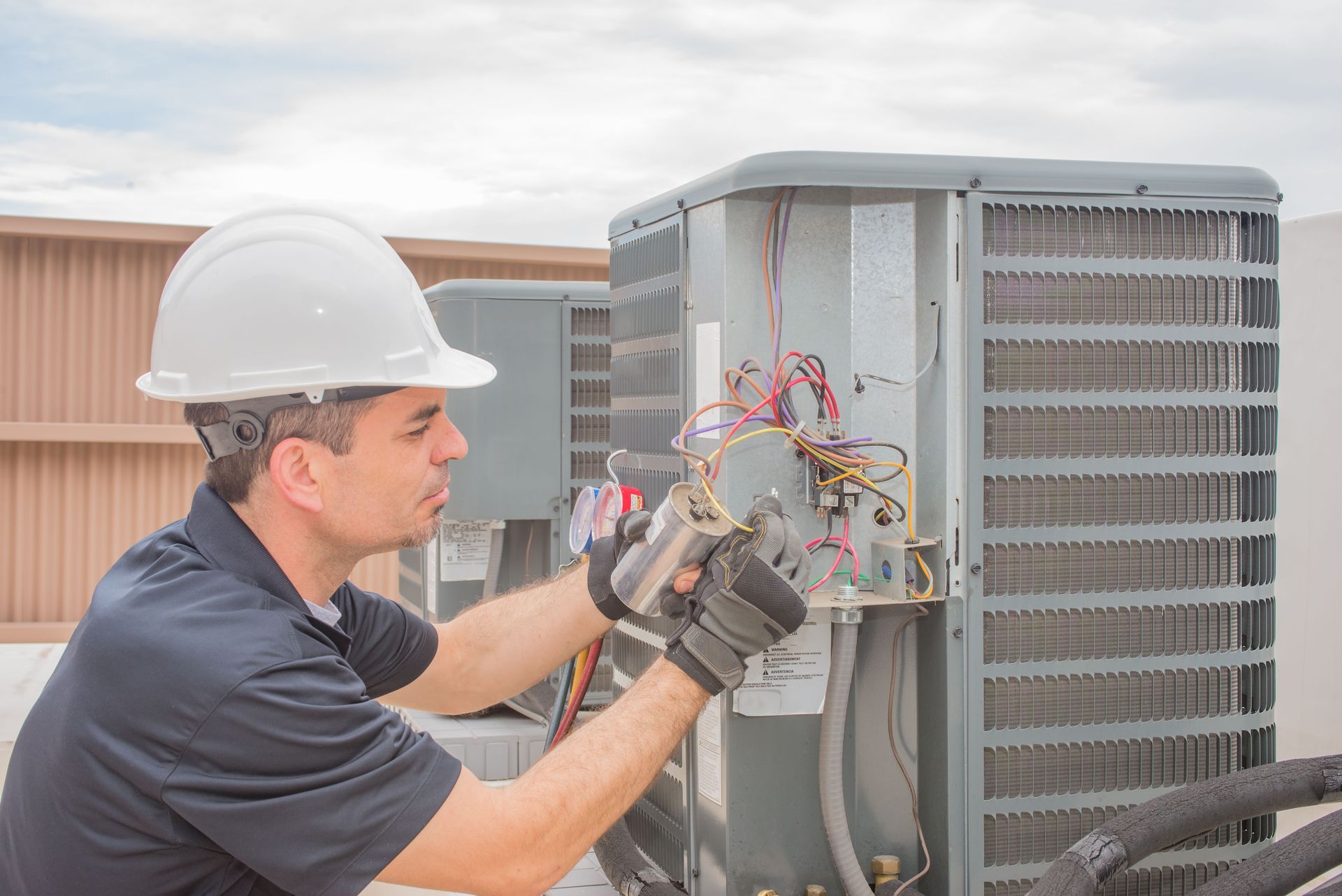
Fallen leaves can collect around outdoor HVAC equipment as autumn progresses. Look for obvious buildup from a safe distance and mention anything blocking the unit to your service provider. Outdoor components need appropriate clearance for airflow, and the manufacturer's requirements should guide any corrective work.
Consider Seasonal Weather Exposure
Heavy rain, wind, and early frost can reveal drainage or placement concerns around outdoor equipment. Notice standing water, leaning supports, or branches hanging nearby. A technician can advise whether conditions threaten operation and whether professional landscaping or drainage work should be coordinated before winter arrives.
Recognize Normal Defrost Behavior
During colder weather, an outdoor heat pump may briefly enter a defrost cycle and release visible steam. That can be normal. Persistent heavy icing, however, deserves evaluation. Record when the condition occurs and avoid chipping ice or applying hot water to equipment.
Keep Service Access in Mind
Technicians need a clear route to outdoor and indoor components. Before an appointment, identify locked gates, stored belongings, or pets that could complicate access. Making the work area accessible helps the visit proceed smoothly without requiring you to handle electrical panels, refrigerant lines, or internal parts.
Schedule Your Professional System Assessment
Confirm the Scope of Service
Ask what the seasonal appointment includes before the technician arrives. A professional inspection may cover controls, electrical connections, airflow, safety components, and operating performance as appropriate for your equipment. Understanding the scope makes it easier to discuss concerns and compare recommendations afterward.
Share Recent Performance Changes
Bring notes about unusual noises, fluctuating temperatures, or changes in energy use. Include approximate dates and the conditions under which problems appear. For a heat pump, mention unexpected auxiliary heating or unusual cycling. Specific observations help technicians focus their assessment without replacing a proper diagnosis.
Ask About Safety Checks
Combustion heating equipment requires attention to venting and other safety-related components. Ask your provider which checks apply to your system and whether any findings require urgent action. Keep working carbon monoxide alarms installed where recommended; they are an important safeguard, not a substitute for equipment maintenance.
Clarify Repair Priorities
If the inspection reveals several concerns, request an explanation of what is urgent, what affects efficiency, and what can be monitored. Written findings can help you plan without rushing into unnecessary work. Ask how each recommendation relates to symptoms, manufacturer guidance, or measured performance.
Plan for Reliable Winter Operation
Review Your Heating Schedule
Consider when household members are home and which rooms need the most comfort. A consistent, practical thermostat schedule may reduce unnecessary heating. For some heat pump systems, aggressive temperature setbacks can activate supplemental heat, so ask your provider about suitable settings for your equipment.
Check Your Maintenance Records
Gather previous service reports, warranty details, and records of recent repairs. These documents help identify recurring problems and confirm whether recommended work has already been completed. They also make it easier to explain the system's history if a different technician handles your fall appointment.
Consider Your Equipment's Age
Older systems are not automatically ready for replacement, but age can affect repair decisions and available parts. Ask how current performance, repair frequency, and condition compare with expected service life. A clear assessment can help you budget for future needs without making premature purchasing decisions. If you own a heat pump, discuss how its heating performance changes as outdoor temperatures fall and whether backup heating is operating as intended.
Set a Follow-Up Plan
Before the appointment ends, ask when the next service visit should occur and what changes would justify an earlier call. If your heat pump needs additional attention during the heating season, knowing whom to contact can prevent a small concern from becoming a prolonged comfort problem.
Fall preparation works best when it combines everyday awareness with professional expertise. You can observe comfort changes, collect useful information, and make space for service without attempting technical repairs. For a seasonal inspection or help understanding your system's condition, contact Mass HVAC Pros today to schedule an appointment and prepare your home for colder weather. Scheduling before the busiest winter weeks may also give you more flexibility when choosing an appointment.