Indoor air quality plays a fundamental role in safeguarding your health, improving sleep quality, and ensuring year-round residential comfort. Because modern homes are constructed with tight, energy-efficient building envelopes, microscopic pollutants can easily become trapped inside your living space. Without adequate filtration, proper ventilation, and active moisture management, airborne contaminants accumulate rapidly, triggering respiratory discomfort and seasonal allergies. Understanding the primary sources of indoor air pollution allows homeowners to implement targeted remediation strategies. By combining physical exclusion, advanced mechanical filtration, and periodic system maintenance, you can establish a clean, safe, and refreshing indoor environment for your entire household.
Understanding Indoor Air Pollutants
Indoor air pollution consists of a complex mix of microscopic particulates, chemical vapors, and biological organisms originating from daily domestic activities. Particulate matter—including pet dander, fine dust, pollen, and microscopic soot—can penetrate deep into the human respiratory tract, exacerbating asthma symptoms and seasonal allergies. These airborne particles are continually generated through cooking, cleaning, and walking across carpeted surfaces. Furthermore, household chemical vapors, known as Volatile Organic Compounds, off-gas from synthetic carpets, fresh paint, furniture adhesives, and aerosol cleaning products, leading to chronic headaches and respiratory irritation.
Biological contaminants represent another significant threat to indoor air quality, particularly in homes with elevated humidity levels. Mold spores, dust mites, bacteria, and airborne viruses thrive in damp, poorly ventilated spaces such as basements, bathrooms, and unsealed crawl spaces. Controlling relative indoor humidity between 30% and 50% is critical for preventing these biological organisms from multiplying. Furthermore, mechanical heating and cooling systems play a central role in managing these pollutants. According to This Old House, HVAC systems typically last between 15 and 20 years with proper maintenance. Keeping these mechanical systems clean prevents ductwork from harboring mold and distributing airborne contaminants throughout your home.
Strategies for Ventilation Improvement
Proper ventilation is the most effective method for diluting indoor air pollutants and removing stale, moisture-laden air from your living space. Natural ventilation—achieved by opening windows and doors to establish cross-breeze circulation—provides a simple, zero-cost method for refreshing indoor air during mild weather. However, relying solely on open windows is often impractical during periods of extreme summer heat, winter freezing, or high outdoor pollen counts. Therefore, modern homes require engineered mechanical ventilation solutions to ensure continuous, controlled air exchange without compromising thermal comfort or energy efficiency.
Installing local exhaust fans in high-moisture areas, such as kitchens and bathrooms, removes concentrated humidity and cooking fumes directly at the source before they diffuse into adjacent rooms. Additionally, whole-home mechanical ventilation systems, such as Energy Recovery Ventilators, actively draw in fresh, filtered outdoor air while expelling stale indoor air. To ensure these systems operate at peak efficiency, homeowners frequently consult with local HVAC companies to assess total air exchange rates and seal leaky ductwork. Properly sealed, airtight supply ducts ensure that clean, conditioned air reaches every room without pulling dusty, unconditioned air from attic voids or subterranean crawl spaces.
Choosing and Using Air Purifiers Effectively
Standalone air purifiers provide an extra layer of defense against stubborn airborne particulates, gaseous chemicals, and persistent pet odors. The most effective units utilize High-Efficiency Particulate Air filters, which are mechanically engineered to capture at least 99.97% of airborne particles as small as 0.3 microns. Integrating a portable or whole-house HEPA filtration unit drastically reduces circulating dust, mold spores, and pollen grains. For homes plagued by chemical odors or VOC off-gassing, selecting a hybrid purifier that pairs a HEPA filter with a dense activated carbon bed ensures that both solid particles and gaseous pollutants are absorbed simultaneously.
Maximizing the performance of an air purifier requires strategic room placement and proper sizing based on Clean Air Delivery Rate ratings. Position portable units in central, high-traffic areas away from walls or bulky furniture that could obstruct intake air grilles. Furthermore, ensure the unit's coverage capacity matches or exceeds the square footage of the target room. Partnering with reputable local HVAC companies allows you to explore whole-home electronic air cleaners that mount directly into your central furnace or air handler. These integrated systems continuously filter all circulating air without occupying valuable floor space in individual rooms.
The Role of Humidity and Biological Control
Maintaining precise relative humidity levels is vital for creating a balanced, healthy indoor climate that discourages biological growth. When indoor humidity exceeds 50%, dust mite populations surge and mold spores quickly germinate on damp drywall, window sills, and subflooring. Utilizing whole-house dehumidifiers or dedicated basement units extracts excess grains of moisture from the atmosphere, keeping relative humidity within the ideal 30% to 50% range. Conversely, during cold winter months when indoor heating dries the air below 30%, using ultrasonic humidifiers prevents dry nasal passages, cracked skin, and static electricity build-up.
Controlling biological contaminants also demands a disciplined sanitation routine using specialized cleaning tools. Standard vacuum cleaners often blow fine dust and allergen particles back into the air through dirty exhaust ports. Utilizing a vacuum cleaner equipped with a certified, sealed HEPA filtration system ensures that captured dander, dust mites, and dirt remain trapped inside the collection canister. Combining regular HEPA vacuuming with periodic duct sanitization services performed by local HVAC companies prevents mold spores and organic debris from accumulating inside supply registers and return grilles.
Long-Term HVAC Maintenance and System Upgrades
Your central heating and cooling equipment acts as the primary respiratory system for your entire home, making routine maintenance essential for air quality preservation. Replacing standard fiberglass furnace filters every 60 to 90 days prevents dust accumulation on delicate evaporator coils and blower motors. Upgrading from basic flat panel filters to pleated media filters with a Minimum Efficiency Reporting Value rating between 8 and 13 significantly improves particle capture efficiency without restricting system airflow or straining electrical components.
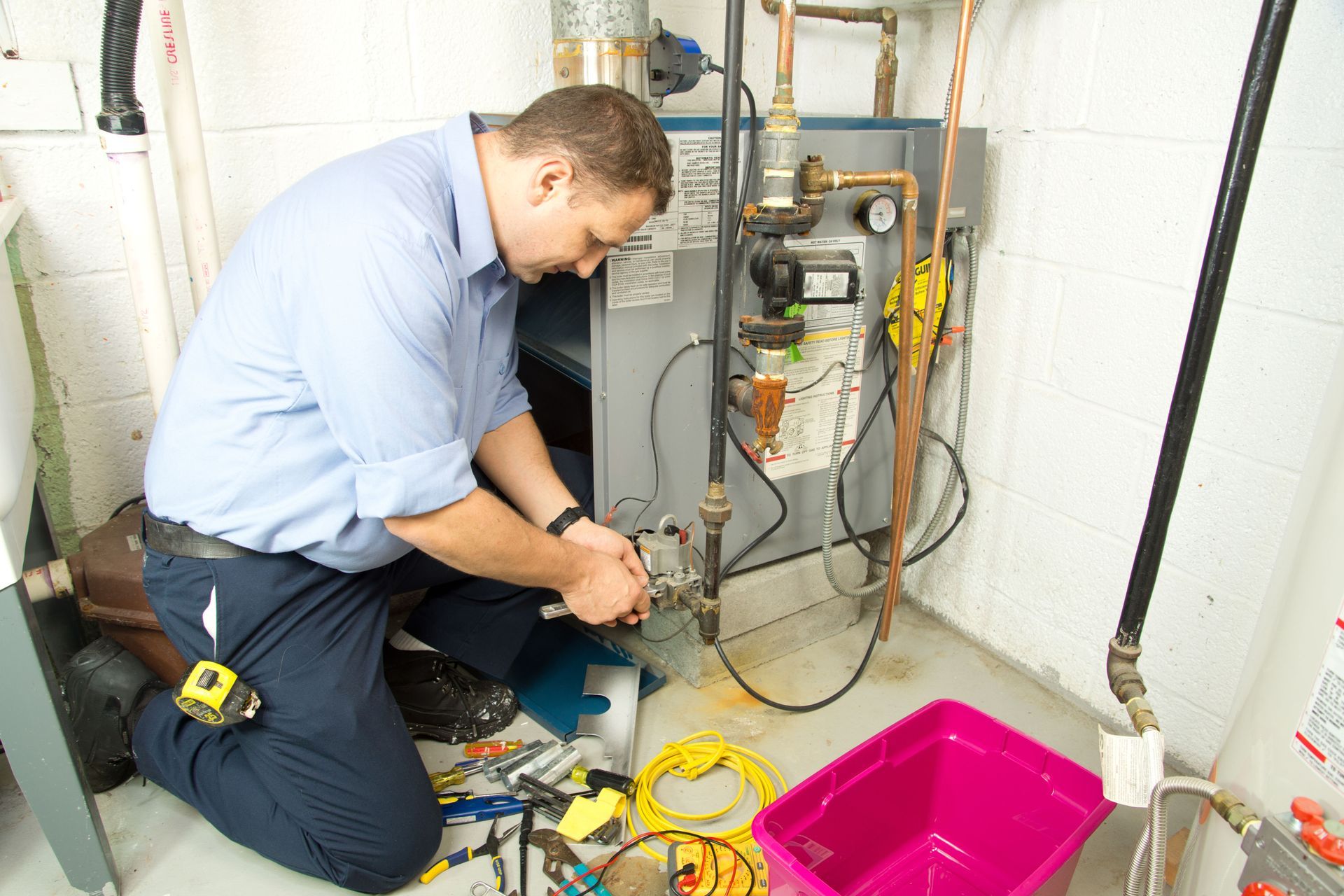
Periodic professional inspections are equally crucial for identifying hidden mechanical failures that degrade indoor air quality. Certified technicians clean internal drain pans to prevent standing water and algae growth, inspect heat exchangers for dangerous carbon monoxide leaks, and test system airflow balancing. Established local HVAC companies can also install specialized ultraviolet germicidal lamps inside central ductwork. These UV lights continuously shine high-intensity light onto cooling coils, neutralizing airborne bacteria, viruses, and mold spores before they can circulate through your living areas.
Routine Habits for Sustaining Clean Indoor Air
While mechanical filtration and professional maintenance form the backbone of indoor air quality control, daily domestic habits determine long-term success. Implementing a strict shoes-off policy at all exterior entrances prevents family members and guests from tracking outdoor pesticides, heavy metals, and lawn chemicals across your carpets. Furthermore, washing bed linens, pillowcases, and duvet covers weekly in hot water kills dust mites and removes accumulated skin flakes that feed microscopic pests.
Minimizing the introduction of synthetic chemicals into your home environment further preserves air purity. Opt for unscented, eco-friendly cleaning detergents, avoid burning paraffin wax candles, and eliminate synthetic air freshener sprays that release volatile organic vapors. When completing interior painting or remodeling projects, select zero-VOC latex paints and store solvent-based materials in detached garages or sheds. Partnering with experienced local HVAC companies to assess your overall ventilation strategy guarantees that your proactive lifestyle habits are supported by high-performance mechanical systems.
Achieving and maintaining clean indoor air requires a comprehensive strategy that combines source control, proper ventilation, advanced HEPA filtration, and strict humidity management. By actively eliminating chemical off-gassing, sealing leaky ductwork, and adopting daily sanitation habits, you protect your household from harmful particulate matter and biological allergens. Investing in continuous indoor environmental quality safeguards your family's respiratory health while enhancing overall living comfort. When you are ready to evaluate your home's air filtration systems, install high-efficiency media cleaners, or schedule comprehensive duct maintenance, trust the certified technicians at Mass HVAC Pros to deliver expert guidance, superior craftsmanship, and reliable service tailored to your home.